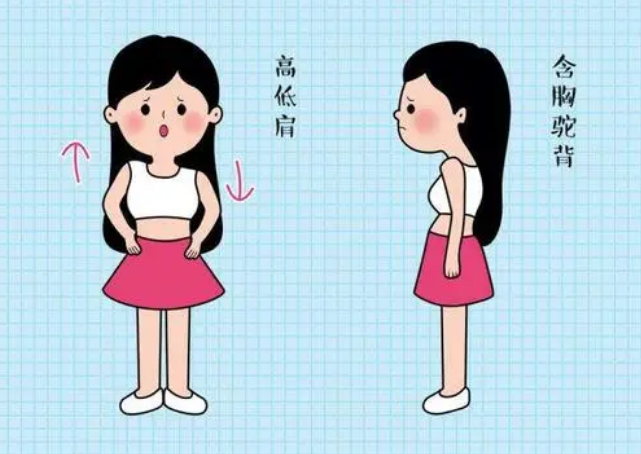
Popular Science | Slouching while sitting or standing? Don't blame your kids! It may be a warning sign of scoliosis!
Scoliosis is classified into four grades according to its severity:
Scoliosis with a curvature below 10 degrees falls within the normal range. Prevention and targeted exercise can stop it from progressing. Children have high physical plasticity yet face a relatively high risk of worsening scoliosis, so extra attention is needed.
10° to 20° (Mild scoliosis): Exercise combined with manual correction.
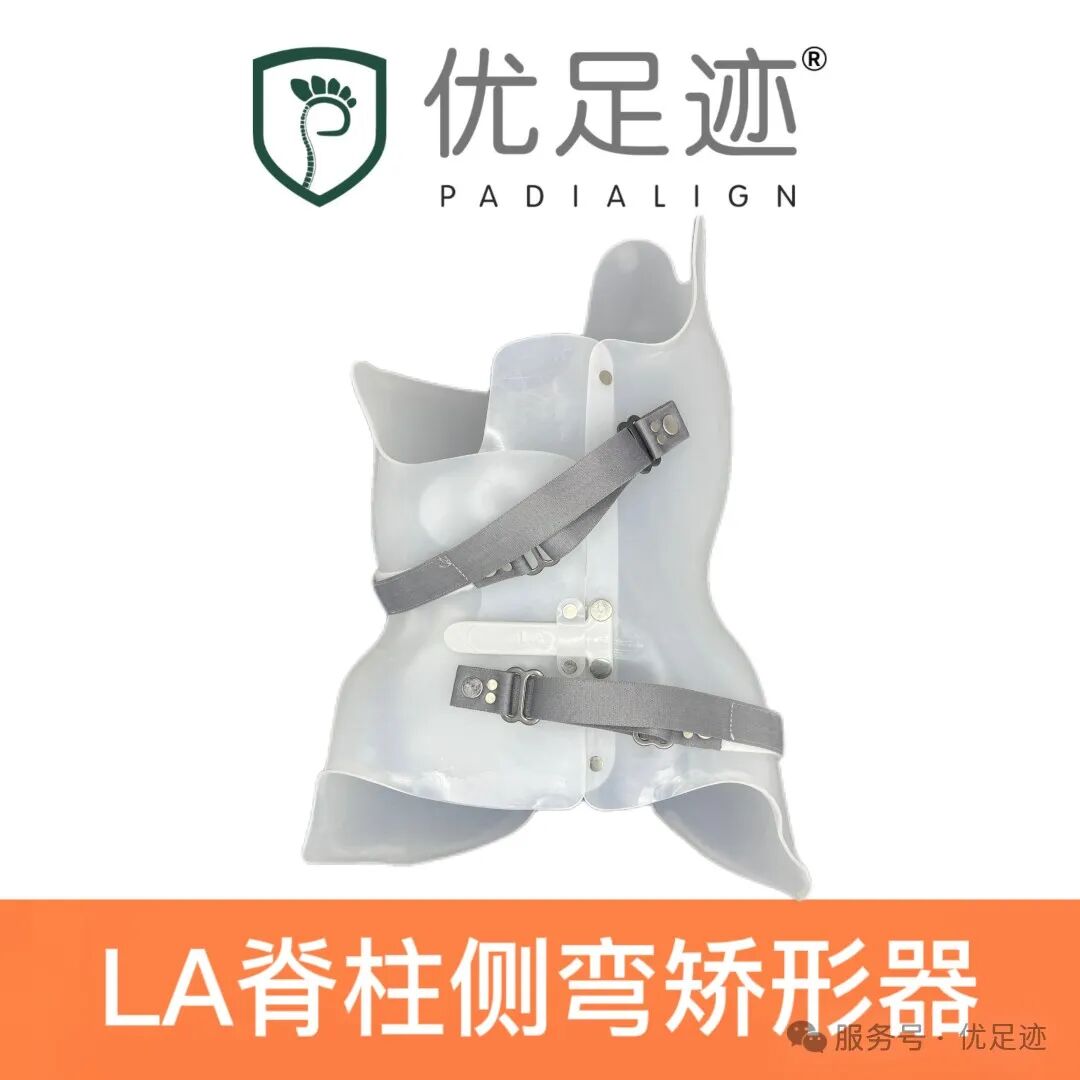
20° to 45° (Moderate scoliosis): Exercise, manual correction plus bracing.
Over 45°: It is recommended to consult a doctor for surgical evaluation.
……
These are widely believed to be the main causes of scoliosis. Clearly, many parents hold quite a few misunderstandings about this condition that troubles both children and adults.
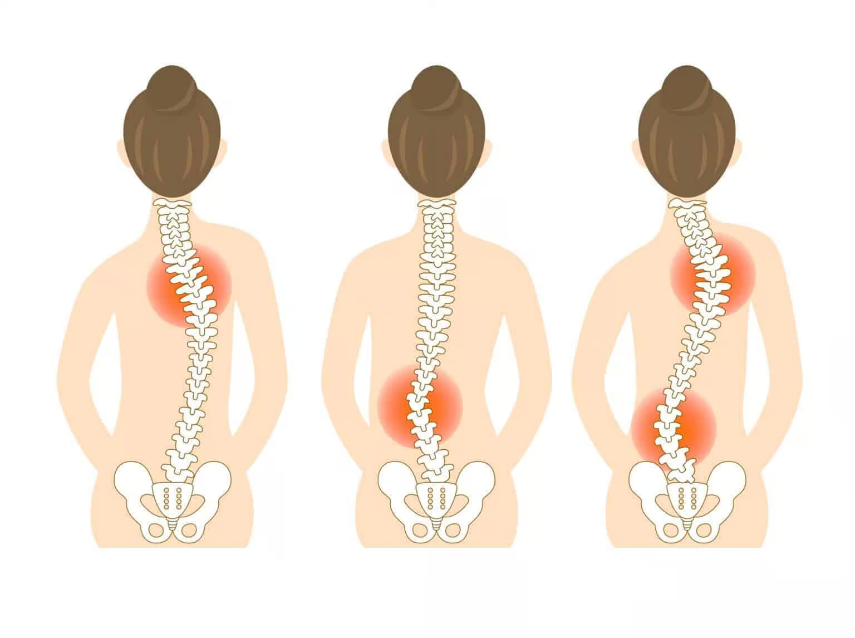
Scoliosis is a medical condition in which the spine curves sideways.It usually presents as an S-shape or C-shape.
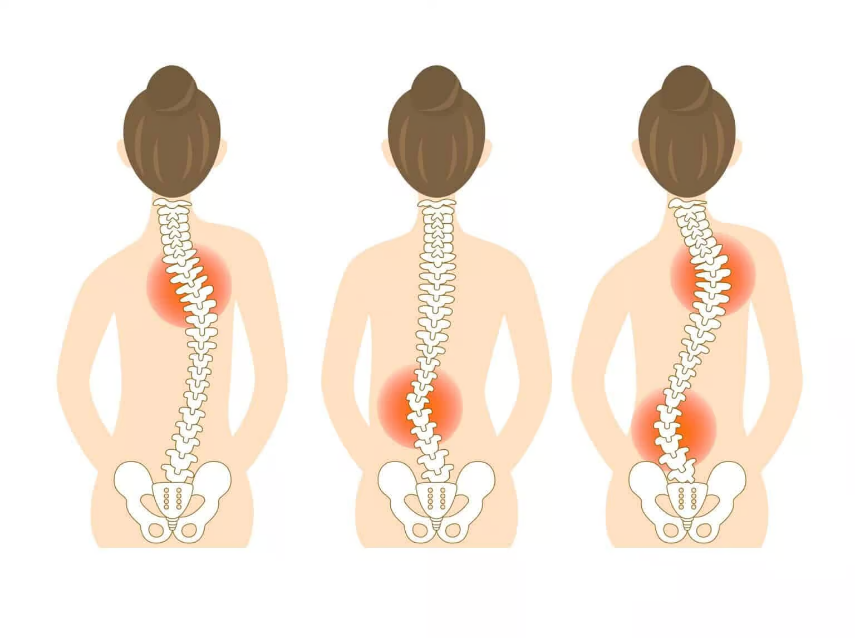
True scoliosis is divided into idiopathic scoliosis and non-idiopathic scoliosis, among which —
Non-idiopathic scoliosis
Non-idiopathic scoliosis includes neuromuscular scoliosis, congenital scoliosis and syndromic scoliosis. This type has clear causes and is usually accompanied by abnormalities in other organs and systems. It can be diagnosed through early symptoms and examinations, allowing for timely intervention and treatment. However, non-idiopathic scoliosis is relatively uncommon.
Idiopathic scoliosis
Idiopathic scoliosis is the most prevalent type. It is common yet hard to detect, and its exact cause remains unknown. Current research suggests it may be linked to genetics, nerves, hormones, bones, muscles and postural habits.
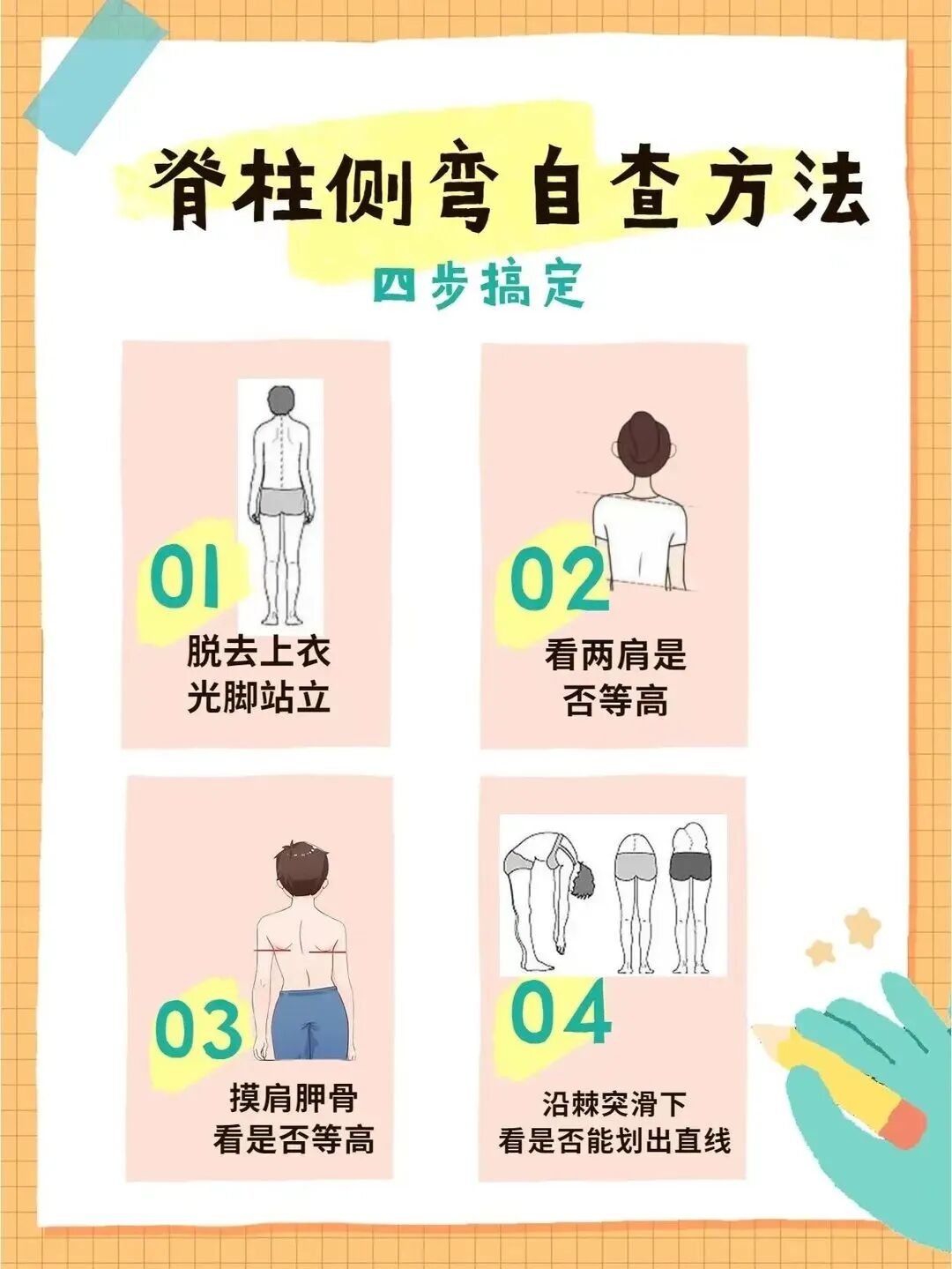
Since the exact cause of the most common idiopathic scoliosis remains unclear, many people mistakenly believe that poor sitting posture and heavy schoolbags are the main culprits. This is a widespread misconception, which often delays children's treatment and may even worsen the condition.