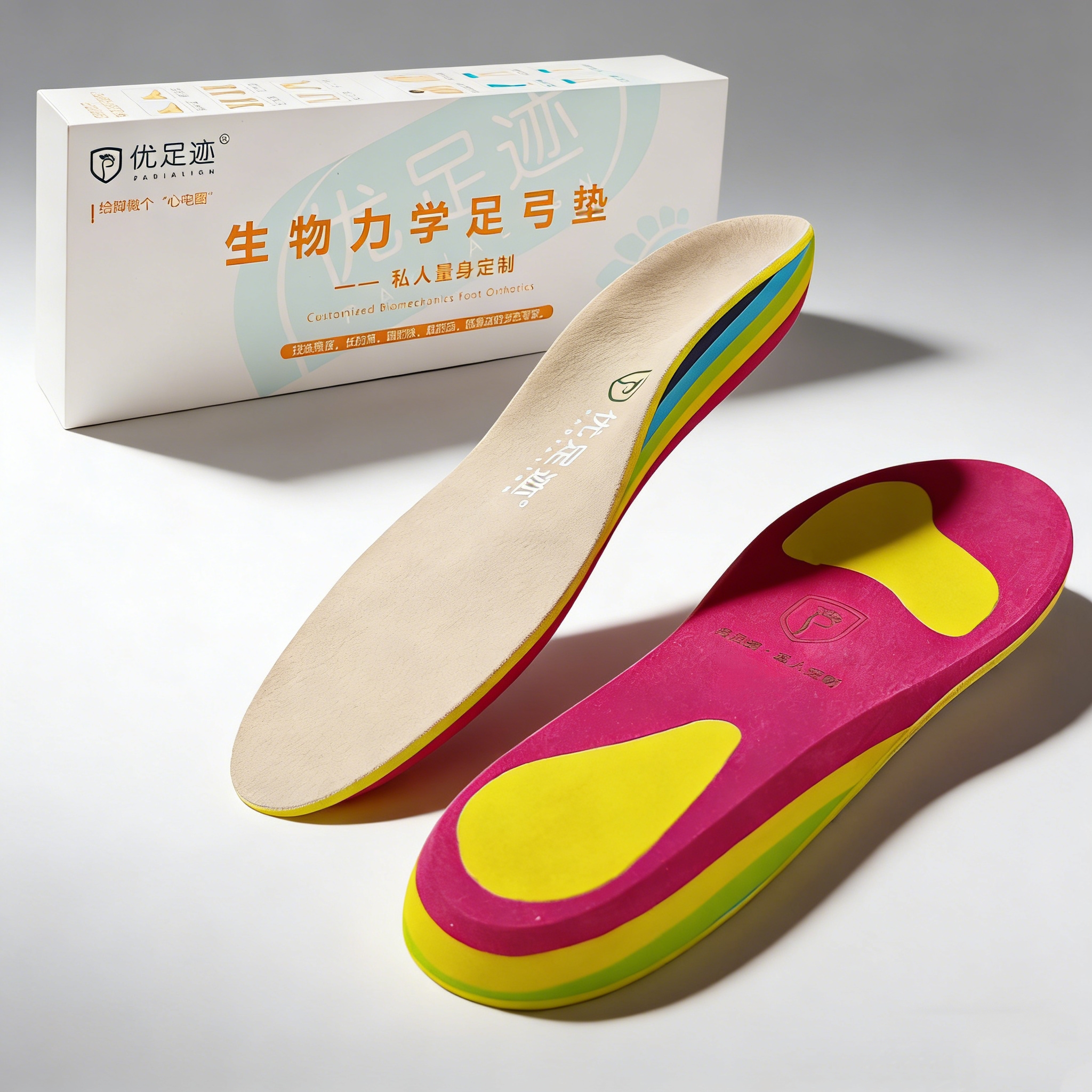



Five Top Questions from Parents (Custom Insoles)
1. When does a child need to wear custom insoles? Are they mandatory?
Custom orthotic insoles are mainly used to address confirmed biomechanical abnormalities and foot conditions. They are recommended if professionals such as pediatricians, physical therapists and orthotists diagnose issues including flat feet (collapsed arches), foot varus or valgus, knock knees or bow legs, abnormal gaits like in-toeing and out-toeing, as well as fatigue, foot pain, knee pain and lumbodorsal discomfort triggered by foot problems. If the child has no obvious discomfort or physical anomalies, and parents only dislike the appearance subjectively, custom insoles are generally not required.
2. How long does it take to see results from custom insoles?
Foot correction is a gradual process, and results vary from person to person. Noticeable improvements usually take six months or even over one year of consistent wear. The corrective effect is reflected not only in changes to the arch shape, but also in relieved symptoms — for instance, the child walks more steadily, feels less tired and suffers less pain. Regular follow-up checks every 3 to 6 months are necessary. Orthotists will assess progress and adjust the insoles according to the child's foot development.
3. Is it normal for children to feel discomfort or rubbing when first wearing the insoles?
Mild discomfort at the beginning is quite common. Custom insoles alter the original force-bearing pattern and lower limb alignment, so the feet need time to adapt to the new support. A gradual adaptation schedule is advised: start with 1 to 2 hours on the first day, then increase the wearing time daily, and build up to all-day wear within 1 to 2 weeks.
Check the feet regularly for severe redness, blisters or indentations. Mild soreness usually fades after a few days of adaptation. If the pain persists or worsens, stop wearing the insoles immediately and contact an orthotist for inspection and adjustment.
4. How to clean and maintain custom insoles?
Cleaning methods vary by material. For most custom insoles, especially those with supportive structures, wipe the surface with a damp cloth, or gently scrub with a soft brush and neutral detergent, then rinse with clean water.
Important reminders: Do not machine wash, spin dry, bake or expose the insoles to direct sunlight. Let them air dry in a cool and ventilated place. It is suggested to prepare two pairs of insoles for alternate use, so as to extend their service life and ensure thorough drying.
5. Do insoles need to be worn permanently? When can they be discarded?
Permanent wear is not always necessary. For children, the insoles help the foot arches develop properly during the critical growth period, generally up to the age of 12 to 14. Once regular assessments confirm that the foot structure and function have improved and stabilized, the child may gradually reduce wearing time under an orthotist’s guidance until stopping use entirely.
In cases of severe foot deformity or degenerative conditions in adults, long-term wear may be required to maintain treatment effects and relieve symptoms.